

- Your cart is empty Browse Shop
Why Soil Health Matters More Than Ever: The Case for Organic Fertilizers
For decades, conventional farming has leaned heavily on synthetic fertilizers to boost yields quickly. But this short-term approach comes at a long-term cost: depleted soil, reduced microbial activity, and diminishing returns season after season. At Martnege International Suppliers, we believe it’s time growers rethink what “feeding the soil” really means.
The Problem with Synthetic Shortcuts
Synthetic fertilizers are designed to deliver a fast nutrient hit, but they do little to support the living ecosystem beneath your crops. Over time, this can lead to soil compaction, reduced organic matter, and a weakened ability to retain water and nutrients naturally. The result? Farmers find themselves applying more inputs each year just to maintain the same output.
How Organic Fertilizers Restore Balance
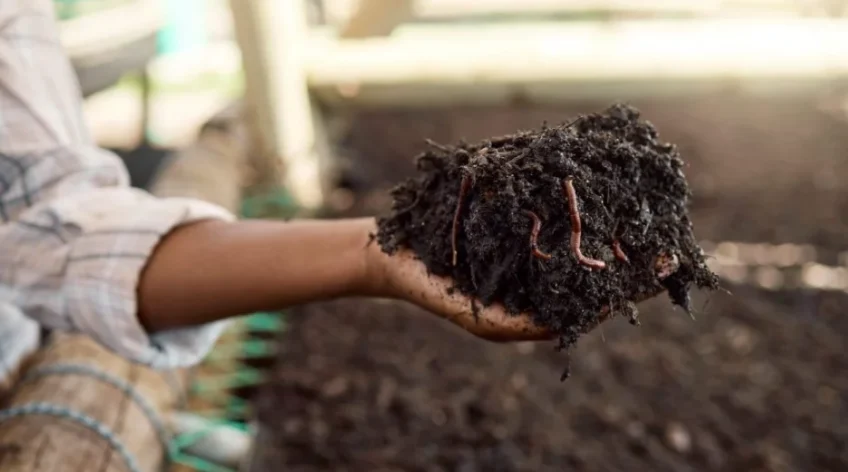
Organic fertilizers, like our Supramino range, work differently. Rather than simply feeding the plant, they nourish the entire soil system — supporting beneficial microbial activity, improving soil structure, and building long-term fertility. This means healthier root systems, better nutrient cycling, and crops that are naturally more resilient to pests, disease, and environmental stress.
A Smarter Long-Term Investment
Switching to organic nutrition isn’t just an environmental decision — it’s a business one. Growers who invest in soil health often see improved yield stability over time, reduced input costs as soil fertility builds naturally, and produce that meets the rising consumer and market demand for sustainably grown food.
The Bottom Line
Healthy soil isn’t just a farming input — it’s the foundation of your entire operation. With the right organic nutrition program, you’re not just growing a single season’s crop; you’re investing in the long-term productivity of your land.